
Independent research initiative Biology · Discovery

Scientific
intelligence
across biology

Ontosma is an independent research initiative developing AI-powered software to help scientists investigate biology across datasets, disciplines and scales.

We're building towards a research partner that connects biological evidence, computational models and ideas from different fields. The goal is to help scientists uncover new relationships, develop explanations they can test and better prepare for biological challenges we cannot yet foresee.

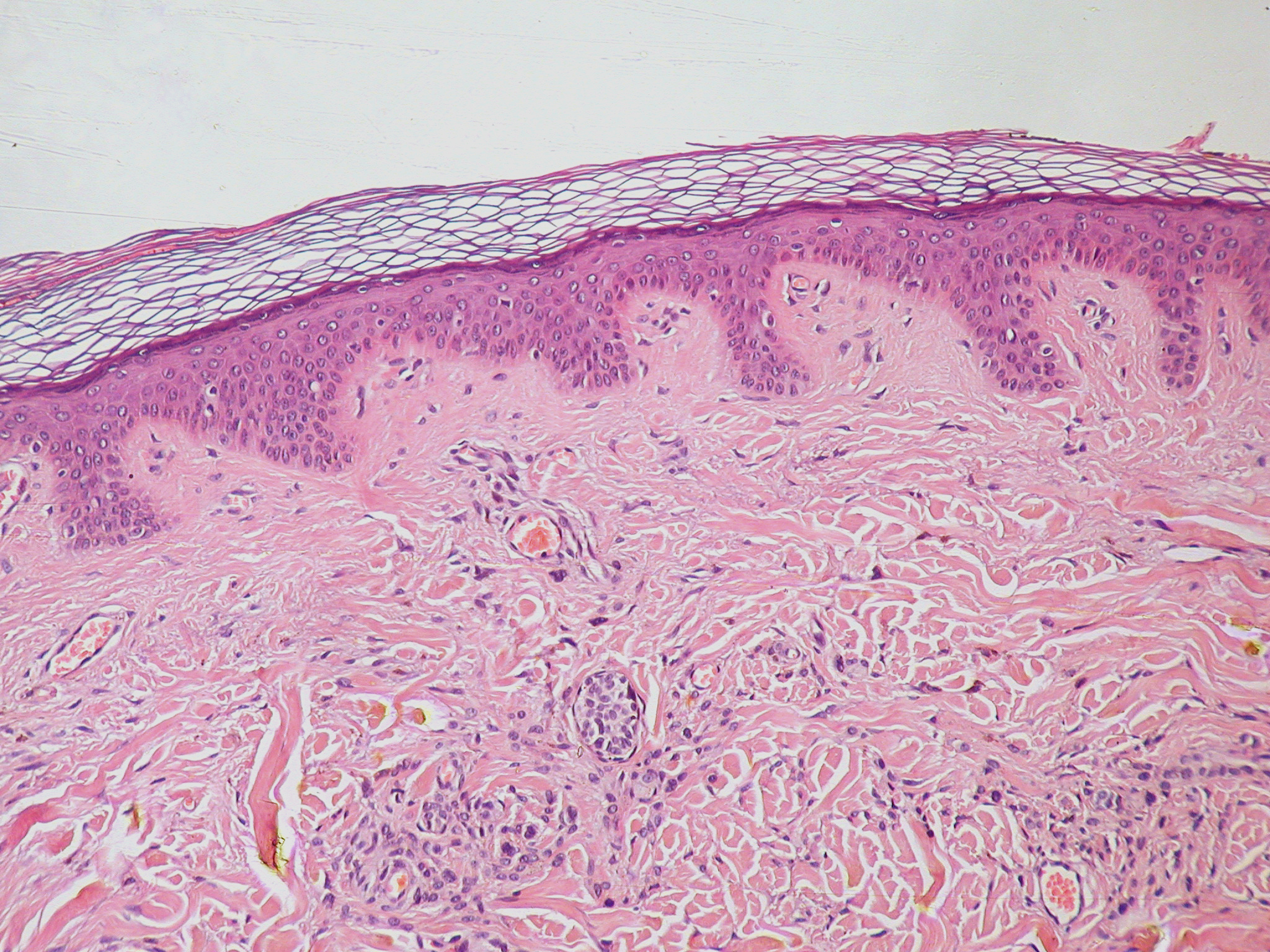
Editorial crop of a published H&E-stained human skin micrograph showing epidermis and dermis
FIG. 01 / HISTOLOGYHuman skin, H&E, 10× · Editorial crop · Kilbad, public domain · Source
01 / THE SCIENTIFIC CHALLENGE

What happens is
not always why

Silencing a gene might slow the growth of a cell population. That shows an effect under the conditions tested, but it does not necessarily explain which molecular processes caused it.

To understand why, researchers investigate how biological components interact. They consider alternative mechanisms, then design experiments that can distinguish between them.

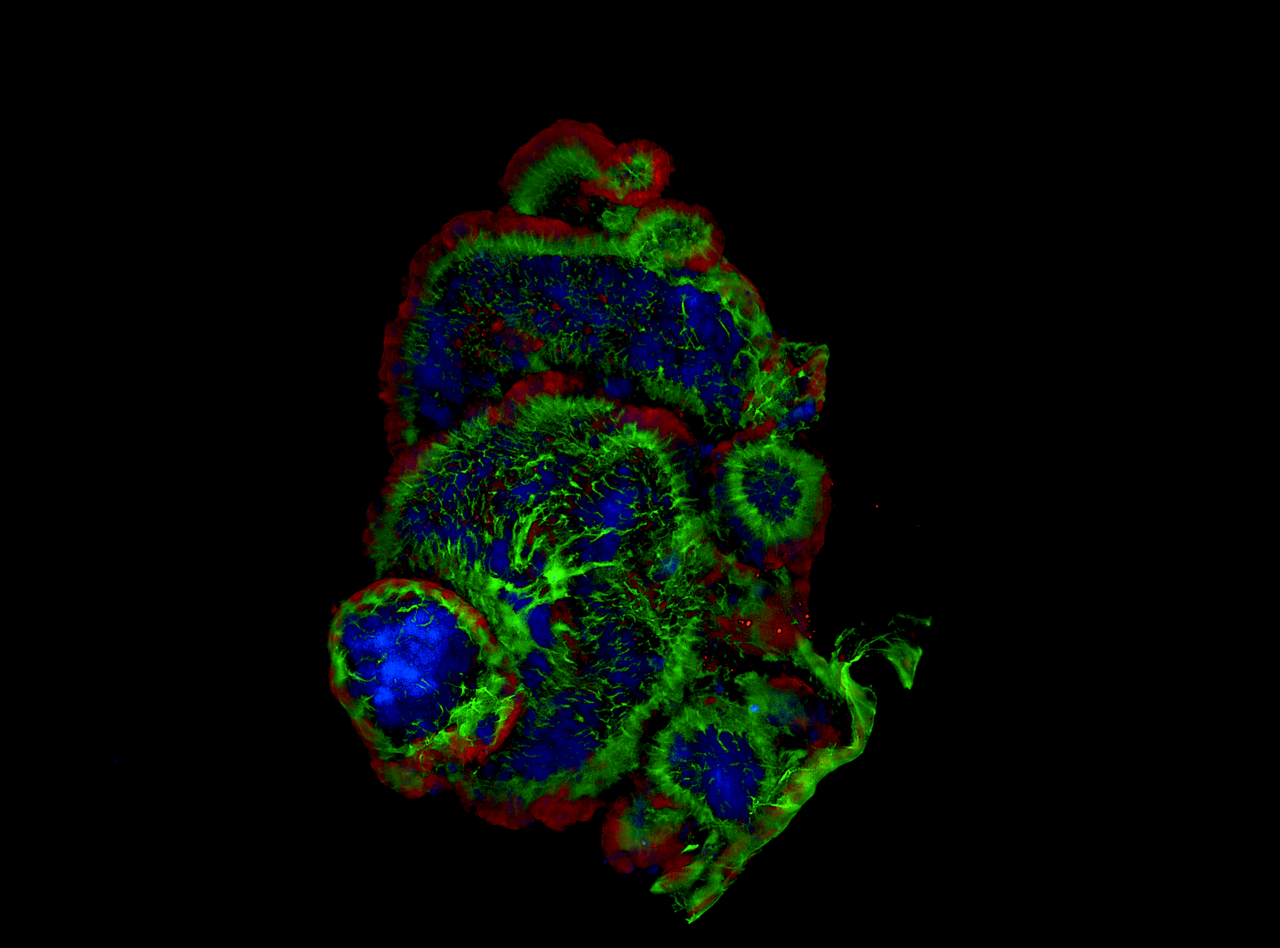
Full published fluorescence image of mouse intestinal organoids showing AKT in red, E-cadherin in green and nuclei in blue
FIG. 02 / ORGANOIDSMouse intestinal organoids · Abhimanu Pandey · CC BY 4.0 · Source
02 / UNDERSTANDING LIVING SYSTEMS

Many kinds of evidence. One living system

Biology can be studied through many kinds of measurements. Genomics, RNA, proteins and metabolism reveal different aspects of living systems. Microscopy, spatial measurements and experiments over time show how cells are organised and respond to change.

These observations do not automatically fit together. They may come from different cells, experimental conditions or points in time. Comparing them properly takes more than combining datasets.

Ontosma has been exploring how AI and computational analysis can help investigate evidence across these layers. Our longer-term goal is to build models that capture useful biological relationships while distinguishing what was measured, inferred or predicted.

Different measurements, different questions

Which RNA transcripts are detected, and in which cells?

Illustrative questions, not Ontosma model results.
03 / ARTIFICIAL INTELLIGENCE & DISCOVERY

Building a
scientific brain

What if AI could do more than retrieve scientific information, analyse datasets or generate plausible explanations?

Ontosma is building towards an AI-led research system that can investigate biological questions more independently.

We're developing a system that can bring together computational analysis and specialist scientific tools. Instead of relying on one fixed pipeline, the goal is to choose methods that fit the research question, connect ideas across disciplines and develop hypotheses researchers can test.

We want to build more than a collection of tools. We want a research partner capable of contributing meaningfully to discovery.

04 / A SCIENTIFIC FRONTIER

Towards
virtual cells

What if we could explore how a cell might respond to an intervention before performing the experiment?

Imagine a computational model that represents aspects of a cell's biological state. Researchers could use such a model to explore responses to a genetic intervention, a molecular signal or a changing environment before deciding what to test in the laboratory.

Ontosma has been exploring ways to model cellular states and their responses to biological interventions. Our longer-term research includes virtual cells: computational representations informed by relevant molecular, regulatory and environmental evidence.

A virtual cell is not a perfect digital copy. Its scientific value depends on what it predicts, when those predictions are reliable and how well they withstand experimental testing.

Virtual cells are one frontier within our wider ambition for scientific intelligence across biology.

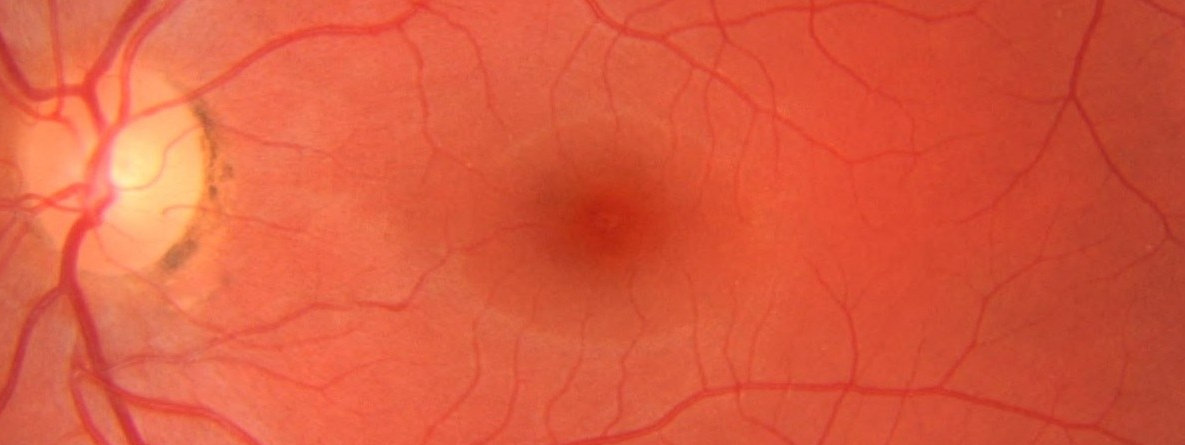
Wide editorial crop of a fundus photograph of a normal left eye, showing branching retinal blood vessels
FIG. 03 / RETINAL FUNDUSNormal left-eye fundus photograph · Mikael Häggström (2012) · Wide crop · CC0 1.0 · Source
05 / QUESTIONS WORTH EXPLORING

The questions that
keep biology moving

Some of biology's most interesting questions cannot be answered through one gene, one dataset or one experiment. These examples represent research being pursued across the scientific community.

01 / CELL IDENTITY & REPROGRAMMING

If we want a stem cell to adopt a new identity, which molecular changes could make that state stable?

02 / ANTIBIOTIC DISCOVERY

Could AI help identify new antibiotic candidates that remain effective against drug-resistant bacteria?

03 / REGENERATION

Why can zebrafish regenerate damaged heart tissue while adult human hearts have such limited regenerative capacity?

These illustrate scientific frontiers, not discoveries or completed investigations by Ontosma. Scientific references

06 / OUR RESEARCH PRINCIPLES

Discovery
demands evidence

AI can identify patterns and generate predictions. But a convincing prediction is not necessarily a correct explanation of the biology. Scientific rigour is central to what we're building.

01

Evidence before assumptions

Study original observations, controls and the conditions under which measurements were made. Keep measured results distinct from interpretations and predictions.

02

Models must be challenged

Ask where a prediction should hold, where it might fail and which experiments could distinguish competing mechanisms.

03

Discovery requires revision

Take contradictory observations and negative results seriously. Revisit assumptions and revise explanations when the evidence warrants it.

07 / THE INITIATIVE

Independent
inquiry

Ontosma grew from a question familiar to experimental scientists: what happens when an observation opens up more questions than it answers?

We're bringing together biology, artificial intelligence and computational science to explore those questions and develop new ways to investigate them.

Ontosma is currently developing and evaluating its research software. Its broader scientific-brain and virtual-cell ambitions are research directions, not validated public capabilities.

08 / THE READING ROOM

Research Notes

Research Notes will explore interesting questions in biology, emerging computational approaches and selected insights from Ontosma's development. No articles have been released yet.

09 / FUTURE ALPHA INTEREST

Be part of
the investigation

We're interested in hearing from researchers who want to help shape the future of AI-assisted biological investigation. Tell us about your research area, a non-confidential question you're exploring or what you would expect from a scientific research partner.

Email about future alpha testing

What would make you trust an AI research tool, or stop trusting it? Critical feedback is welcome.

Questions? [email protected]

Please do not email confidential datasets, patient details or unpublished results.

This sends an email expressing interest, not a registration. Alpha access is not yet available.

Privacy details